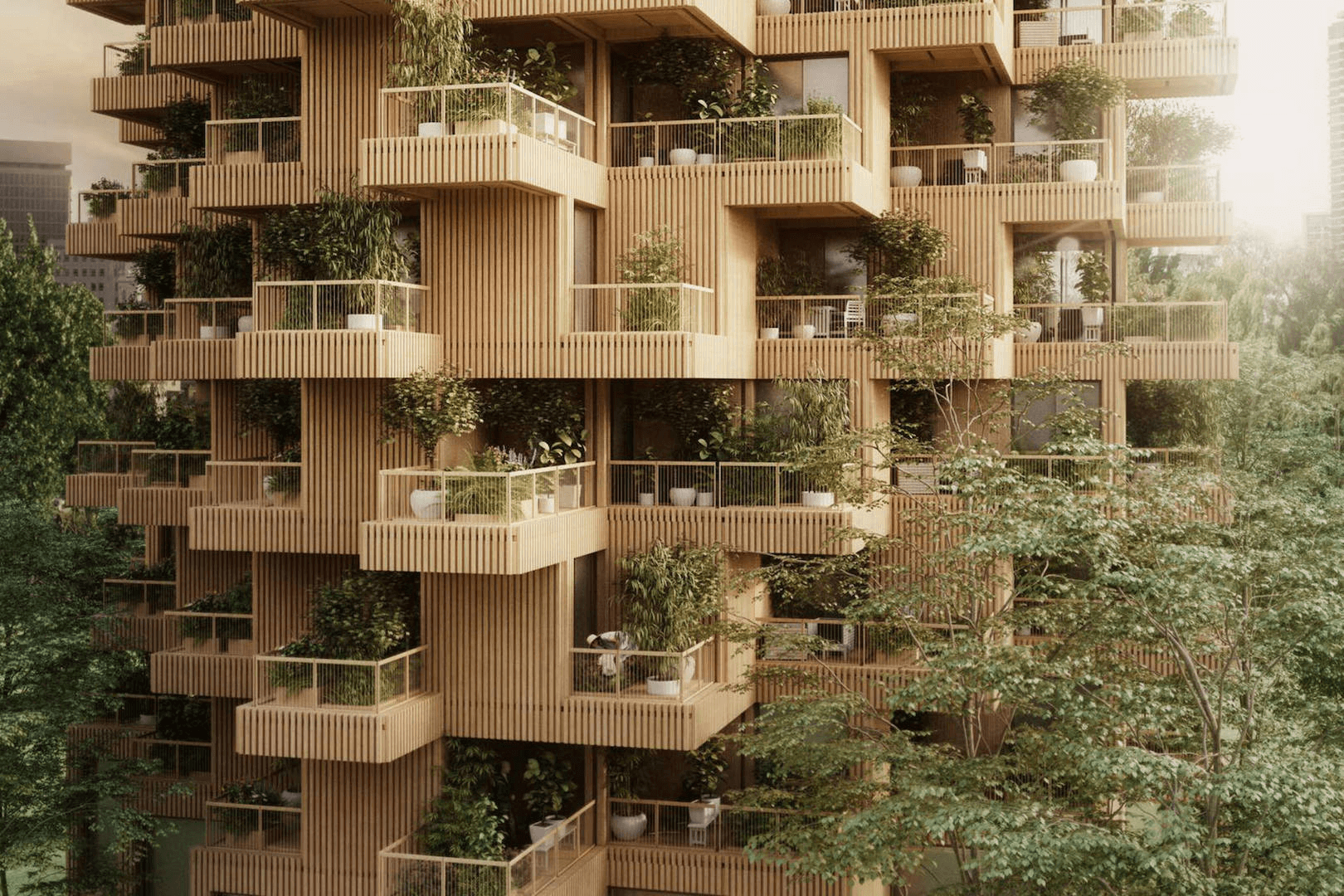
In 1908, Adolf Loos famously declared that 'ornament is crime', setting the stage for a century of modernist austerity. For decades, the pinnacle of architectural achievement was the perfectly sheer glass curtain wall or the flawless expanse of exposed concrete. Today, however, as we walk through the financial districts of London, New York, or Tokyo, the endless reflections of sleek, identical towers have induced a profound sense of civic amnesia. To combat this, a brave cohort of designers is committing the ultimate modern 'crime': they are decorating.
The Death of the Glass Box
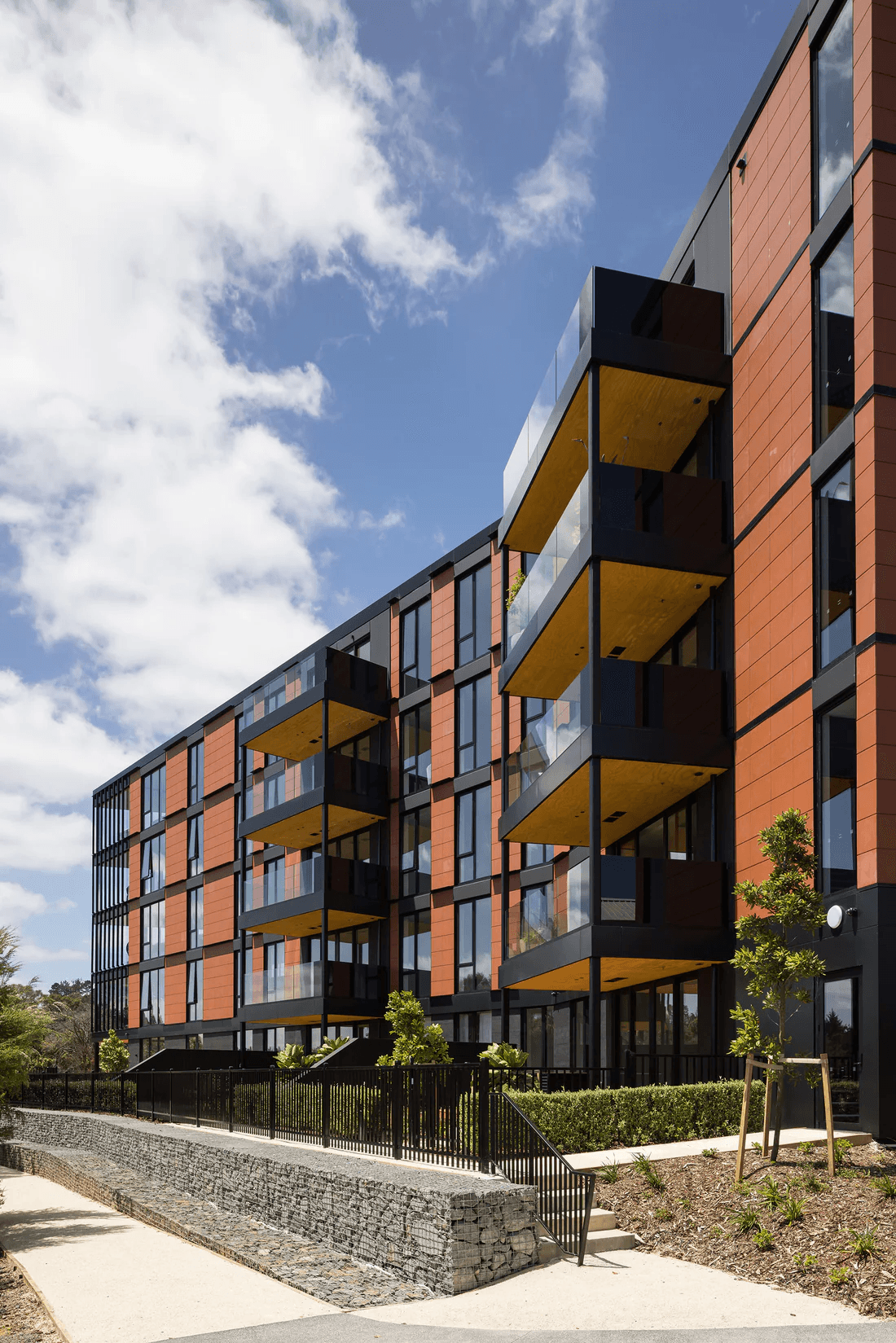
The environmental realities of the 21st century have made the all-glass skyscraper obsolete. The massive energy required to cool these sheer greenhouses is no longer sustainable. In response, architects are returning to solid, opaque facades, which naturally offer a canvas for expression. This necessity has birthed a renaissance in textured brickwork, expressive metal casting, and intricate masonry.
Digital Craftsmanship
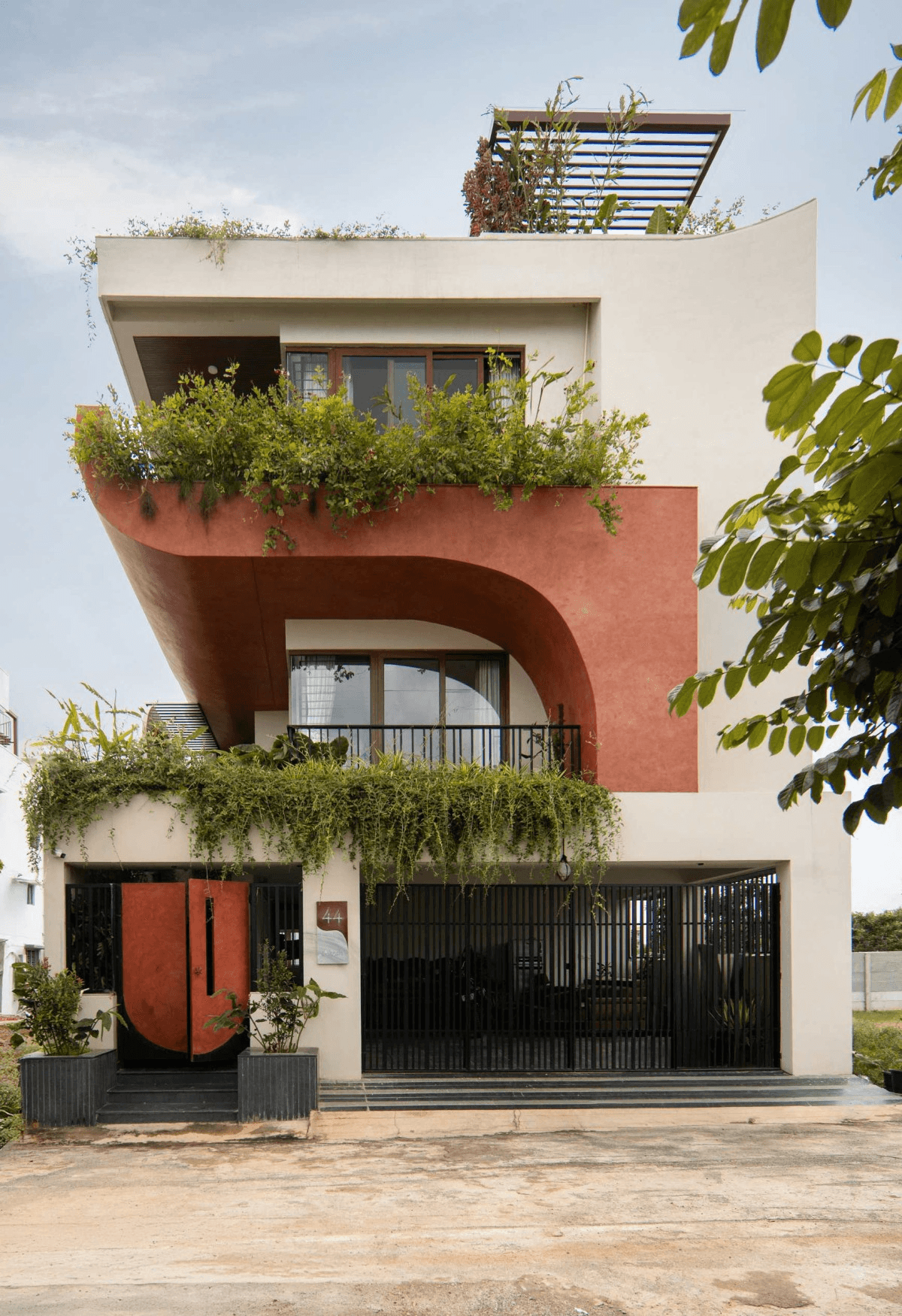
This is not a nostalgic return to Gothic gargoyles or Victorian cornices. The new ornamentation is born from digital fabrication. Robotic arms and large-scale 3D printers allow architects to design impossibly complex, non-repeating geometric patterns that would have been cost-prohibitive for human masons. This 'digital craftsmanship' creates facades that shift and vibrate as the sun moves across them.
We are not decorating a shed. The ornament and the structure are mathematically one and the same.
Restoring Civic Identity
Ultimately, the return of ornamentation is about human scale. A sheer glass tower offers nothing for the eye to rest upon at the street level. By reintroducing tactile materials, shadow lines, and intricate patterns, buildings once again communicate with pedestrians, establishing a local identity and repairing the fractured fabric of the urban experience.