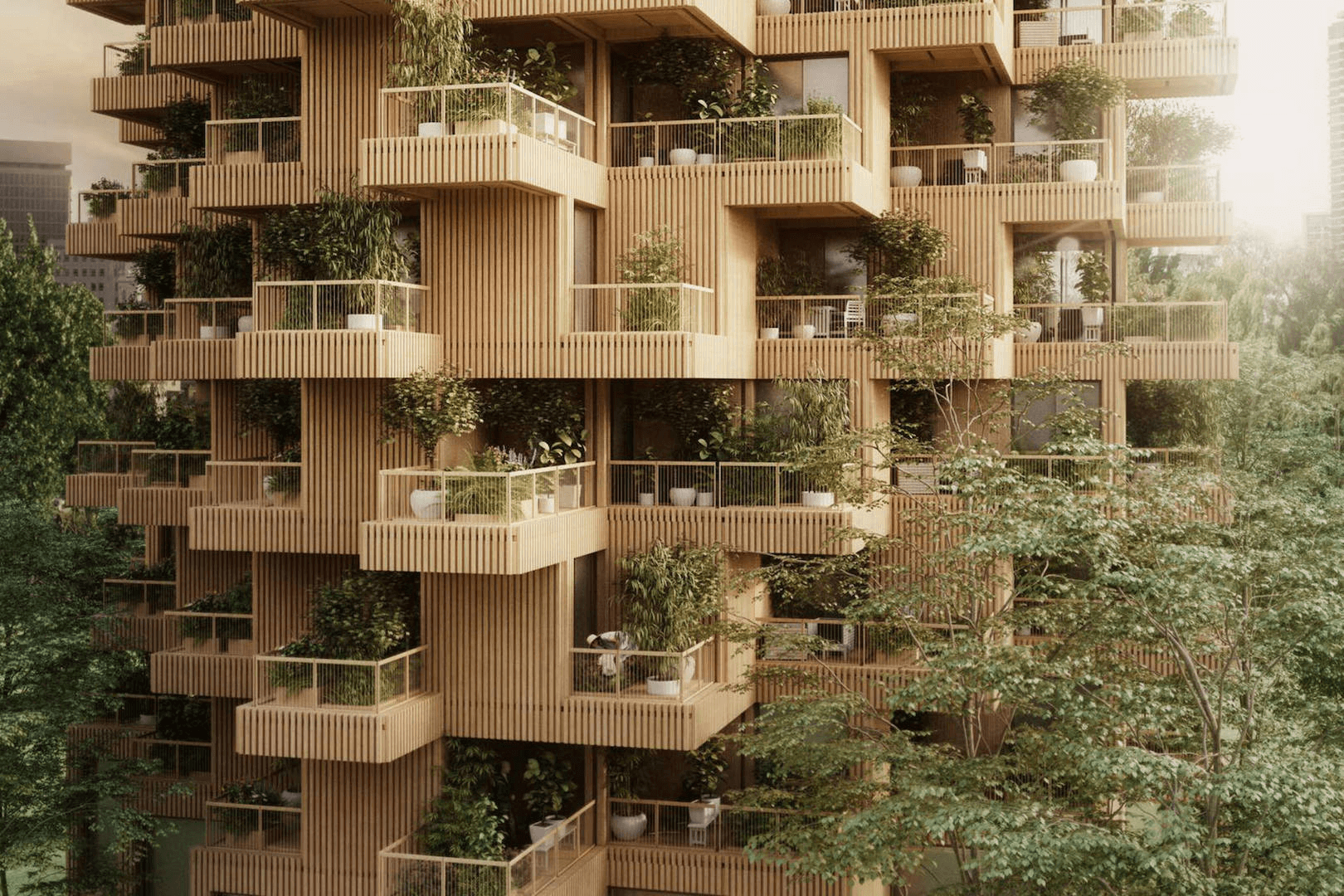
For the better part of a decade, urban landscapes have been dominated by what critics colloquially call 'Millennial Gray' and 'Developer Beige'. Driven by a desire for universally inoffensive real estate and minimalist safety, our cities have been slowly drained of saturation. However, 2024 marks a definitive breaking point. A new wave of architectural studios is weaponizing color not just as decoration, but as a primary structural and emotional element.
The End of Neutrality
The shift away from monochromatic palettes is largely a psychological response to the austerity of recent global events. Designers are recognizing that stark white interiors and gray facades, once celebrated for their 'cleanliness', can often feel sterile or alienating. The reintroduction of vibrant ochres, deep terracottas, and striking cobalt blues is an attempt to inject warmth and human vitality back into the streetscape.
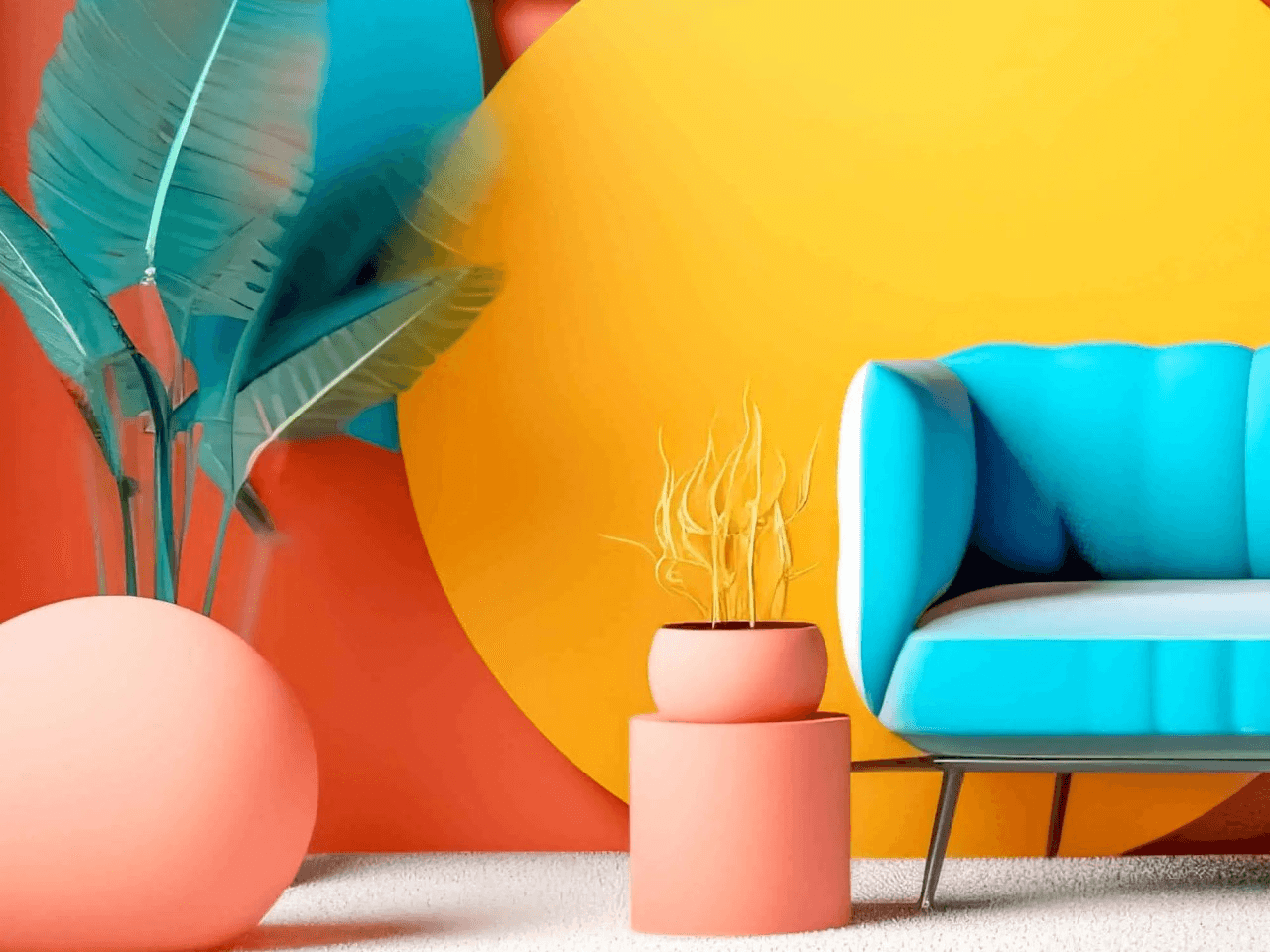
Functional Chromatics
This movement is entirely distinct from the chaotic postmodern pastiches of the 1980s. Today’s application of color is highly functional. In large-scale residential complexes, color-blocking is being used as intuitive wayfinding, helping residents navigate massive structures without the need for excessive signage. Furthermore, studies in neuro-architecture have proven that specific wavelengths of light reflecting off colored facades can tangibly reduce stress levels in densely packed urban environments.
Color is not an afterthought applied to the surface; it is the first dimension of the psychological space we inhabit.
Material Pigmentation
Crucially, this color is not being painted on—it is baked in. Architects are turning to naturally pigmented concretes, oxidized metals, and glazed ceramics. By integrating the color directly into the materiality of the building, the hues will weather and patinate gracefully over time, rather than chipping and fading under the harsh UV rays of the modern summer.