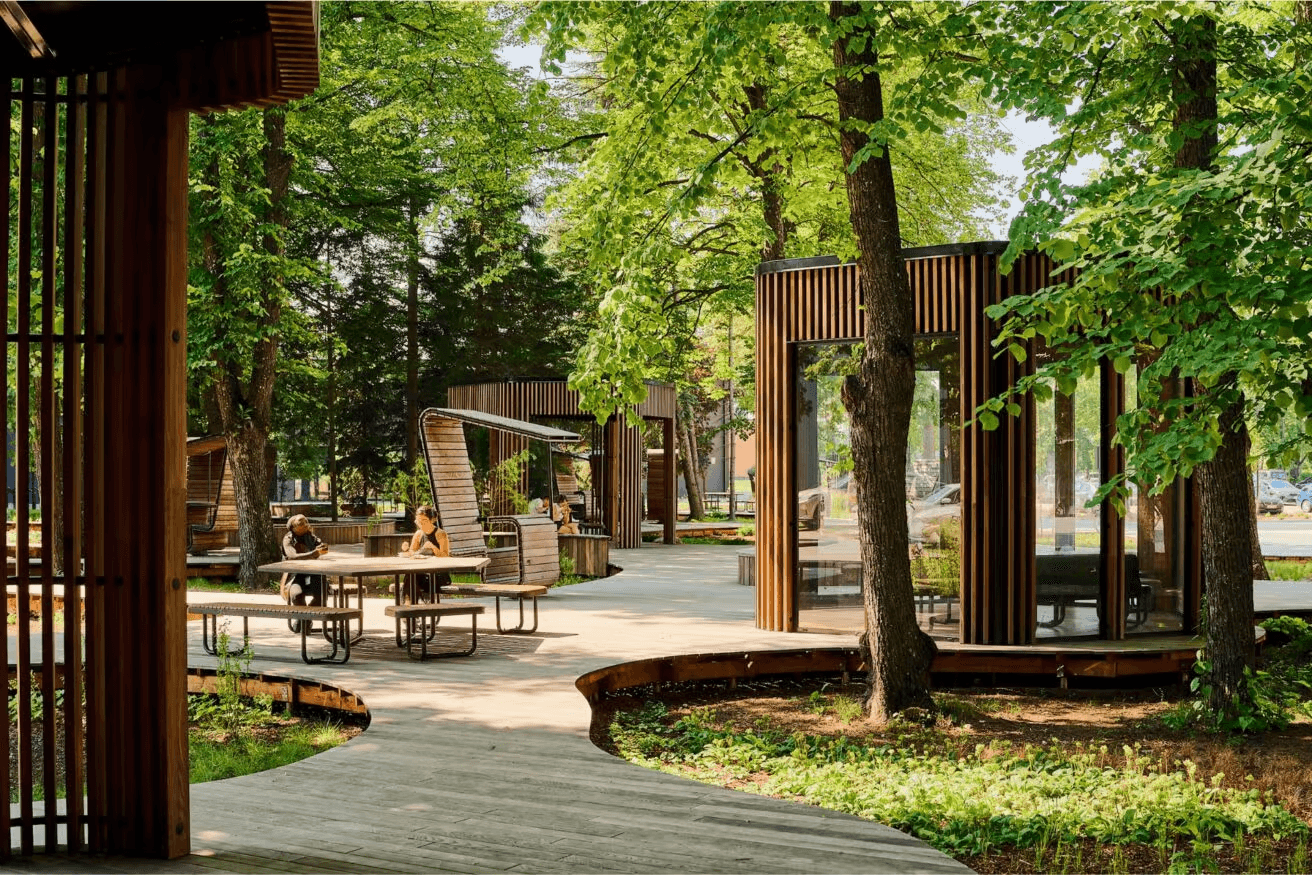
The horizontal city is dead. As global populations continue to migrate toward urban centers, the traditional model of sprawling municipal parks—like New York's Central Park or London's Hyde Park—has become an impossible luxury. There is simply no ground left to claim. The solution to the urban nature deficit is not to look out, but to look up.
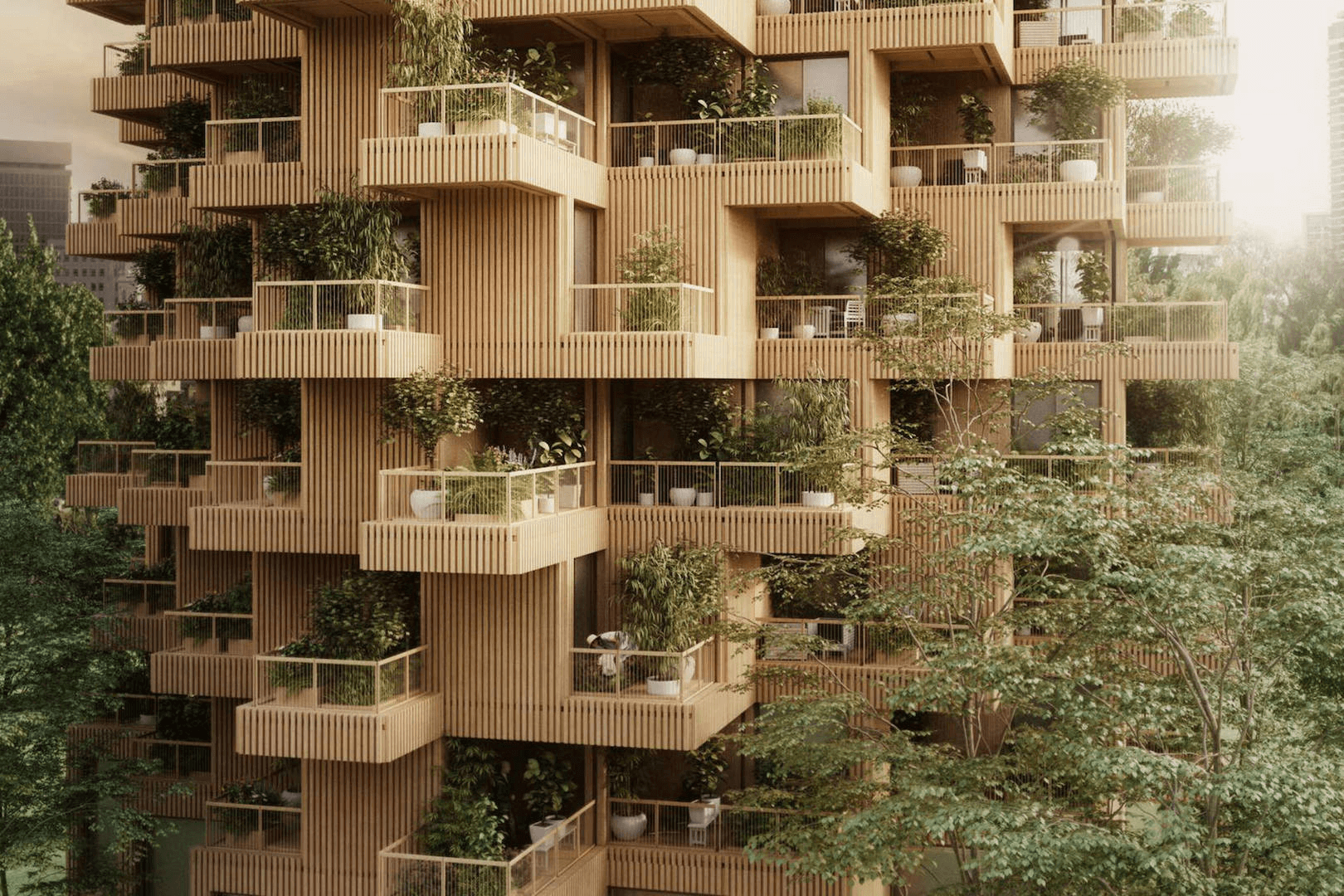
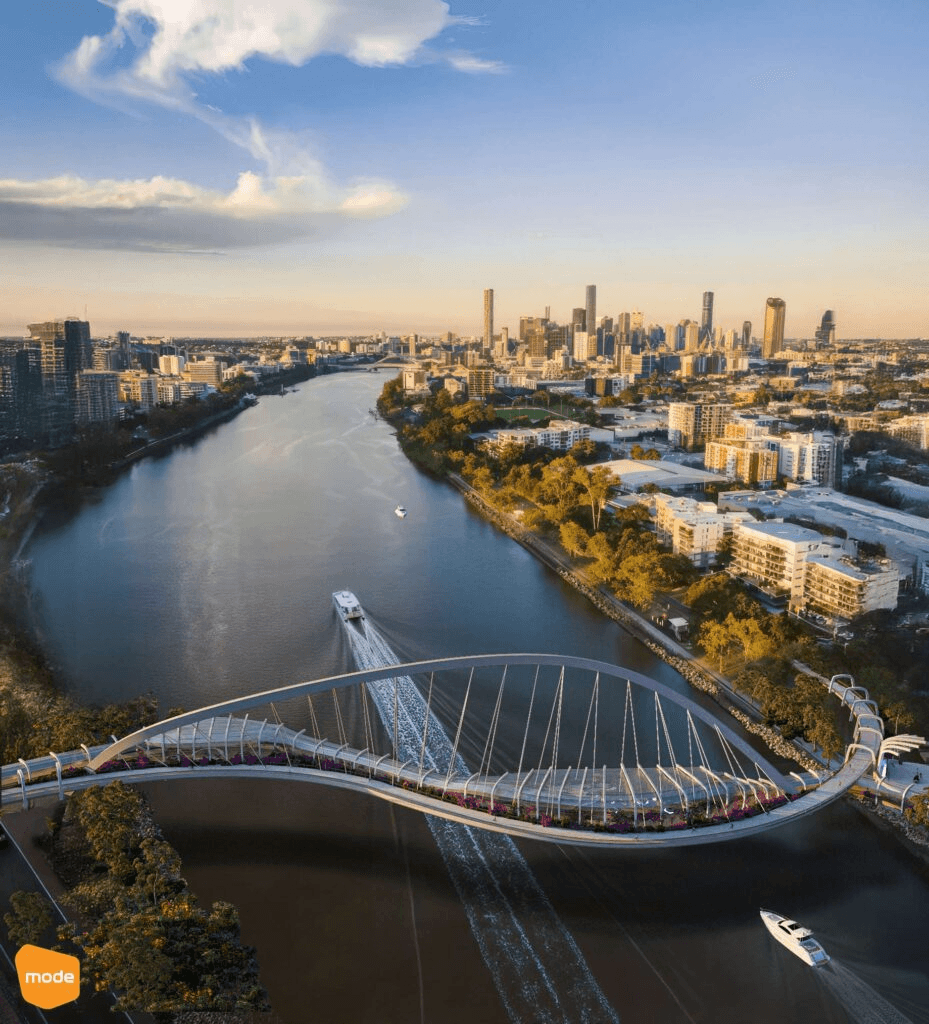
A radical rethinking of urban landscaping is currently underway in megacities from Singapore to Milan. Landscape architects are no longer relegated to the ground floor; they are designing complex, three-dimensional ecosystems that scale the facades of high-rises and bridge the gaps between skyscrapers.
Verticality as a Necessity
The concept of the 'Vertical Forest' is evolving from an architectural novelty into a civic requirement. These living buildings do more than provide aesthetic relief; they are vital urban infrastructure. A fully integrated vertical park can absorb tons of CO2, significantly reduce the urban heat island effect, and filter micro-pollutants from the air.
Biodiversity in Concrete Jungles
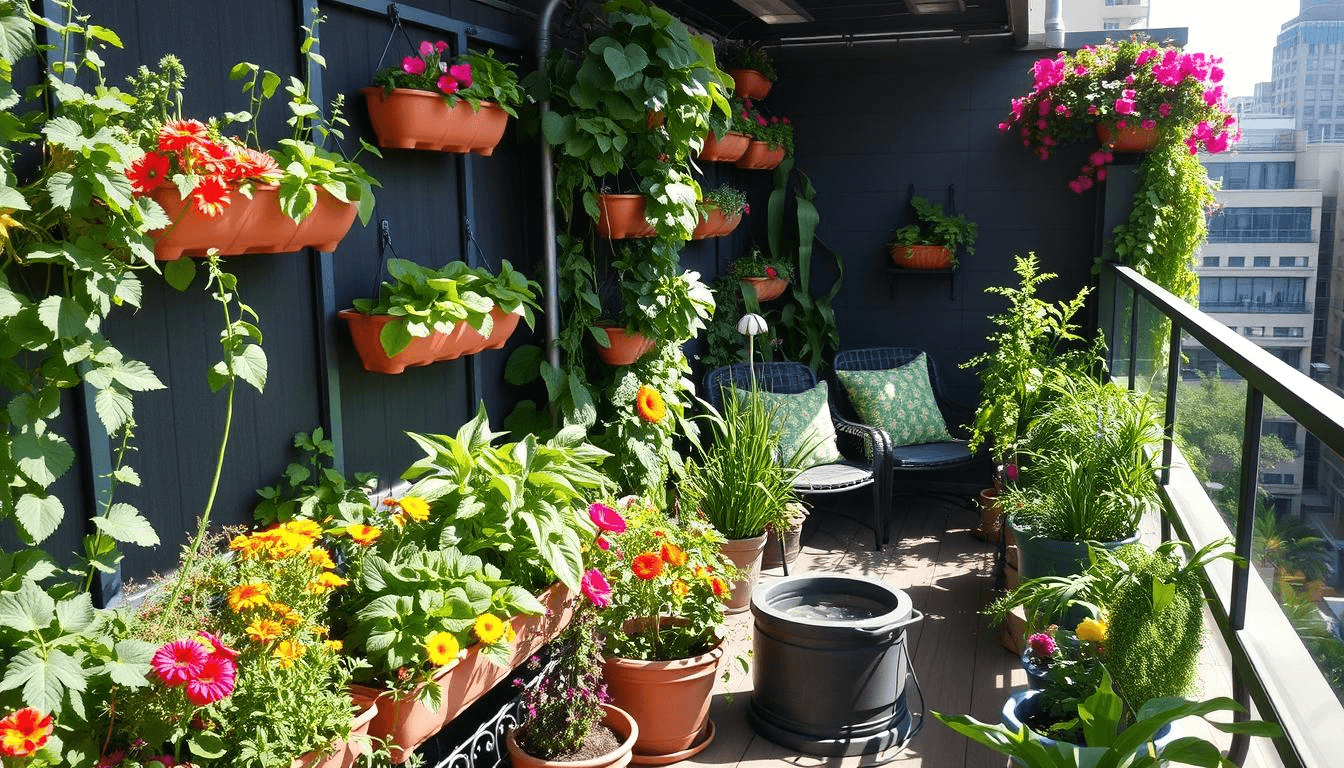
The challenge of planting hundreds of trees suspended hundreds of feet in the air requires unprecedented collaboration between structural engineers and botanists. The soil weight alone necessitates massive structural reinforcement. Furthermore, the flora must be specifically selected to survive extreme microclimates: intense wind shear on the upper levels and deep shade near the street.
We are designing micro-climates. A tree on the 50th floor experiences a completely different weather system than a tree on the ground.
When executed correctly, these vertical parks create vital corridors for avian and insect migration, bringing the chorus of nature back to the deafening hum of the city. The future of the urban park is a structural canopy, woven directly into the fabric of the buildings themselves.